
Why You Need A Proper Video Production & Post-Production Team
Shooting well is only half the job. What happens after the camera stops rolling, the colour grade, the audio mix, the choices made in the edit, is usually what decides whether footage looks and sounds finished, or just looks like footage.
Production Is Only Half The Story
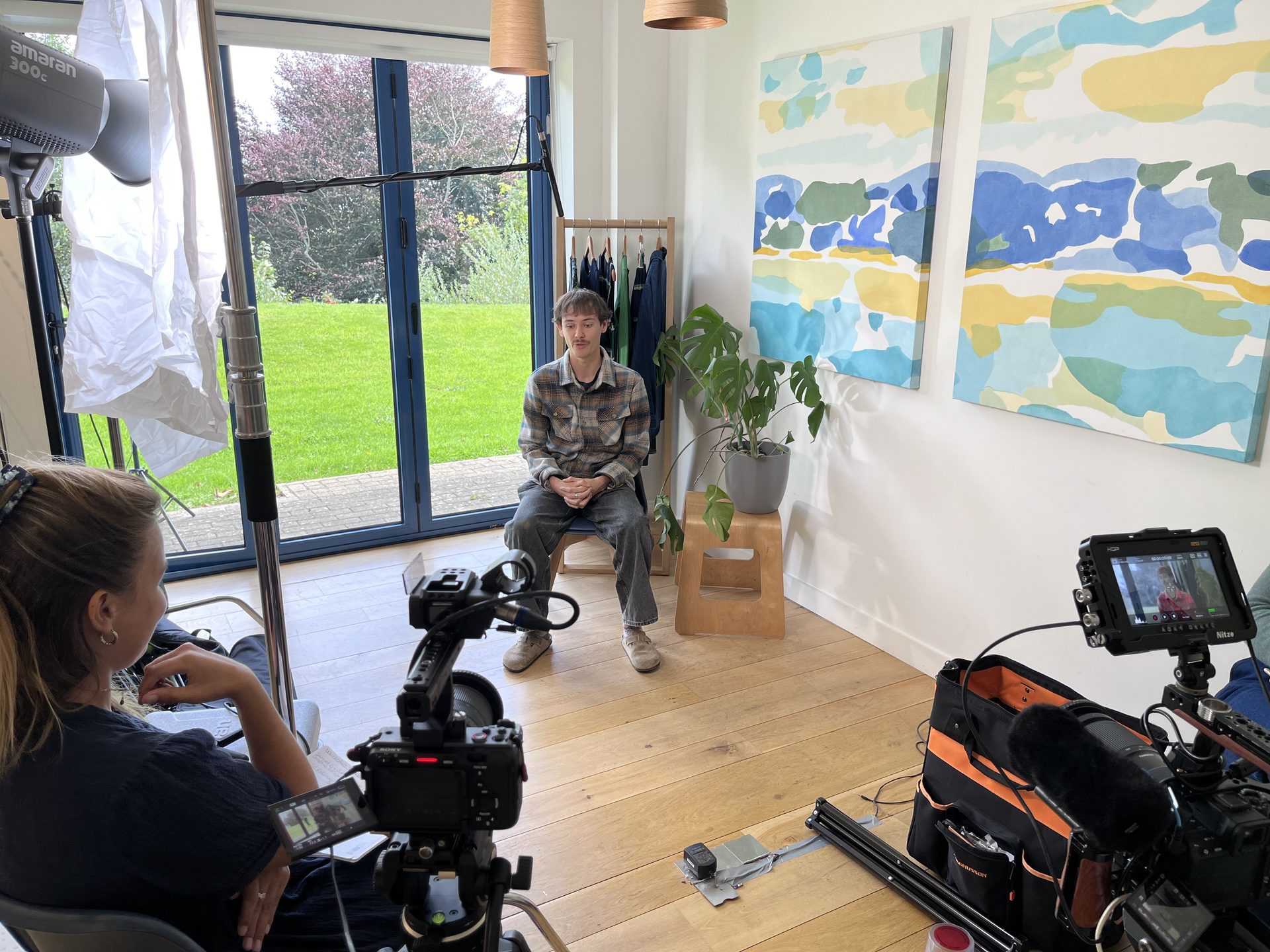
On a shoot, we make several decisions that only pay off later: the colour profile we film in, and how many separate sources of audio we capture. We’re already shooting on the latest high-resolution 4K cameras and audio recording equipment, with enough lighting to fill… well, a genuinely large room, at least! None of that is visible on the day. It only shows up in what the footage is capable of becoming once someone sits down to edit it.
We’re always upfront about this before we start filming, and happy to talk it through with the client or whoever will be handling the edit. But it’s worth explaining what those decisions actually involve, because skipping the second half of the job (the post-production) can undo the first half almost entirely.
Why We Usually Shoot In Log
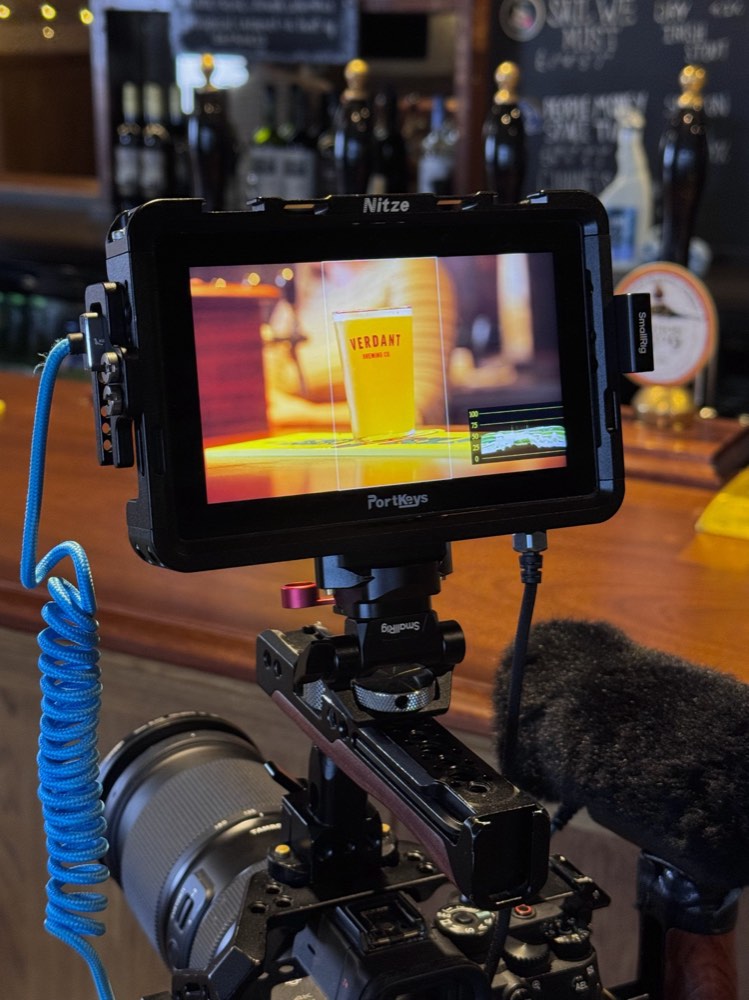
Log is a flat, deliberately washed-out colour profile, similar in spirit to a photographer’s RAW file. It captures far more detail in the shadows and highlights than a “ready to watch” picture would, but it isn’t meant to be watched as is. It’s meant to be colour graded afterwards, at which point that extra detail becomes extra control: richer colour, better contrast, a more consistent look across a whole edit.
We always check with the client, or their editor directly, before shooting this way. If footage needs to be ready to use the moment it lands, we shoot differently. But if there’s any post-production planned at all, Log gives an editor far more to work with.
Log footage is a promise, not a finished picture. Grade it properly and it can look extraordinary. Skip that step and it looks exactly like what it is: unfinished.
Why We Record Audio Several Different Ways
On most shoots we’re capturing audio from more than one place at once: a hidden lavalier microphone on each speaker (the closest possible source, and out of shot), an overhead boom mic for a wider, more natural pickup, a general ambient recording of the space itself, and, where one already exists, a feed from the venue’s own PA or sound system. That’s usually three or four sources for an editor to work with: use the cleanest one, blend them, or fall back to another if one of them lets you down.
We always tell the client which source is going to sound best in the finished edit, and why. What actually makes it into the final cut, though, is a decision for whoever is doing the editing.
What Happens When Post-Production Gets Skipped
We recently filmed an hour-long live event for a client who’d decided, reasonably, that they didn’t need our post-production services. They had their own in-house editors and were confident they could take it from there.
Before filming, we talked it through properly. We confirmed that both the client and their editor were comfortable receiving the footage in Log rather than a ready-to-use, colour-corrected format, since Log needs a proper grade to look its best. We recorded audio three ways: hidden lavalier microphones on the speakers, a feed from the venue’s own sound system (which turned out to be crackly, through no fault of our recording), and an ambient room microphone. When we delivered the footage, we were clear about which audio source would sound best in the finished cut, and why.
What eventually went out, first as short clips, then as the full recording, used none of that. The footage was published ungraded, so the Log picture looked flat and washed out rather than the finished image it was capable of becoming. And instead of the lavalier audio, the edit used the camera’s built-in microphone, sitting four or five metres from the speakers, picking up the whole room: echo, background noise and everything else moving through the space.
None of that came down to how it was shot. It came down to what happened, or didn’t happen, afterwards.
What We Handed Over, And What Went Out
What We Handed Over
- Log footage, shot to be graded, with full dynamic range intact
- Three separate audio sources, recorded independently
- A clear recommendation on which audio source to use, and why
What Went Out
- The same footage, published without a colour grade
- In-camera audio, recorded several metres from the speakers
- Every echo and background noise in the room, baked into the final cut
If You Already Have An Editing Team
That’s genuinely fine, and it happens often. We’ll hand over Log footage and every audio source exactly as recorded, along with clear notes on what we’d recommend and why. What your editor does with it from there is entirely up to them.
If You’d Rather We Finished It
We can grade, mix and deliver something that’s ready to publish the moment it lands, so nothing gets lost between the shoot and the final cut. It’s why post-production is built into how we quote a project, rather than treated as an optional extra.
Ready To Tell Your Brand’s Story?
Tell us about your project and we’ll come back to you quickly. No obligation, just a conversation about what you’re trying to achieve.