
Documentary In The Age Of AI
Generative tools can now conjure a convincing video of almost anything a brand can imagine. That makes one thing more valuable, not less: footage of something that actually happened.
When Anyone Can Fabricate A Video, Why Film Anything Real?
It is already close to true, and will soon be fully true, that for not very much money anyone can generate a polished video of whatever they picture, as long as they can prompt the tools well enough. A product that does not exist yet. A location the brand has never visited. A customer who was never filmed, saying words nobody ever said.
For a brand manager or marketing director, the first reaction is a fair one: if a finished-looking film can more or less be typed into existence, what is the point of booking a crew, a location and a shoot day to make a “real” one?
The point is the thing the tools cannot reach. In a world where seemingly anything can be made, and by made we increasingly mean fabricated, the asset that holds its value is the one that is actually true: the real journey you took to build the business, or the real struggle your family went through watching someone close to them battle an illness and come out the other side.
What AI Still Cannot Do
AI can imitate a style, a voice, a face, a camera move, and it will keep getting better at all of them. What it cannot manufacture is the material a documentary is actually made of.
It Cannot Have Lived Your Story
The truth of how you built the company belongs to you: the wrong turns, the year it nearly didn’t work, the decision that changed everything. A model can approximate the shape of a founder story. It cannot have been in the room when it happened, and it cannot tell it the way you tell it, in your own words, with the details nobody would think to invent.
It Cannot Sit With Real Experience
Lived experience carries specifics that no prompt produces: the offhand phrase, the pause, the thing someone almost didn’t say. An audience feels the difference between that and a fabrication, even when they can’t articulate why. Authenticity isn’t a look you grade in; it’s a thing that was either there or wasn’t.
It Cannot Persuade Your Customer To Show Up
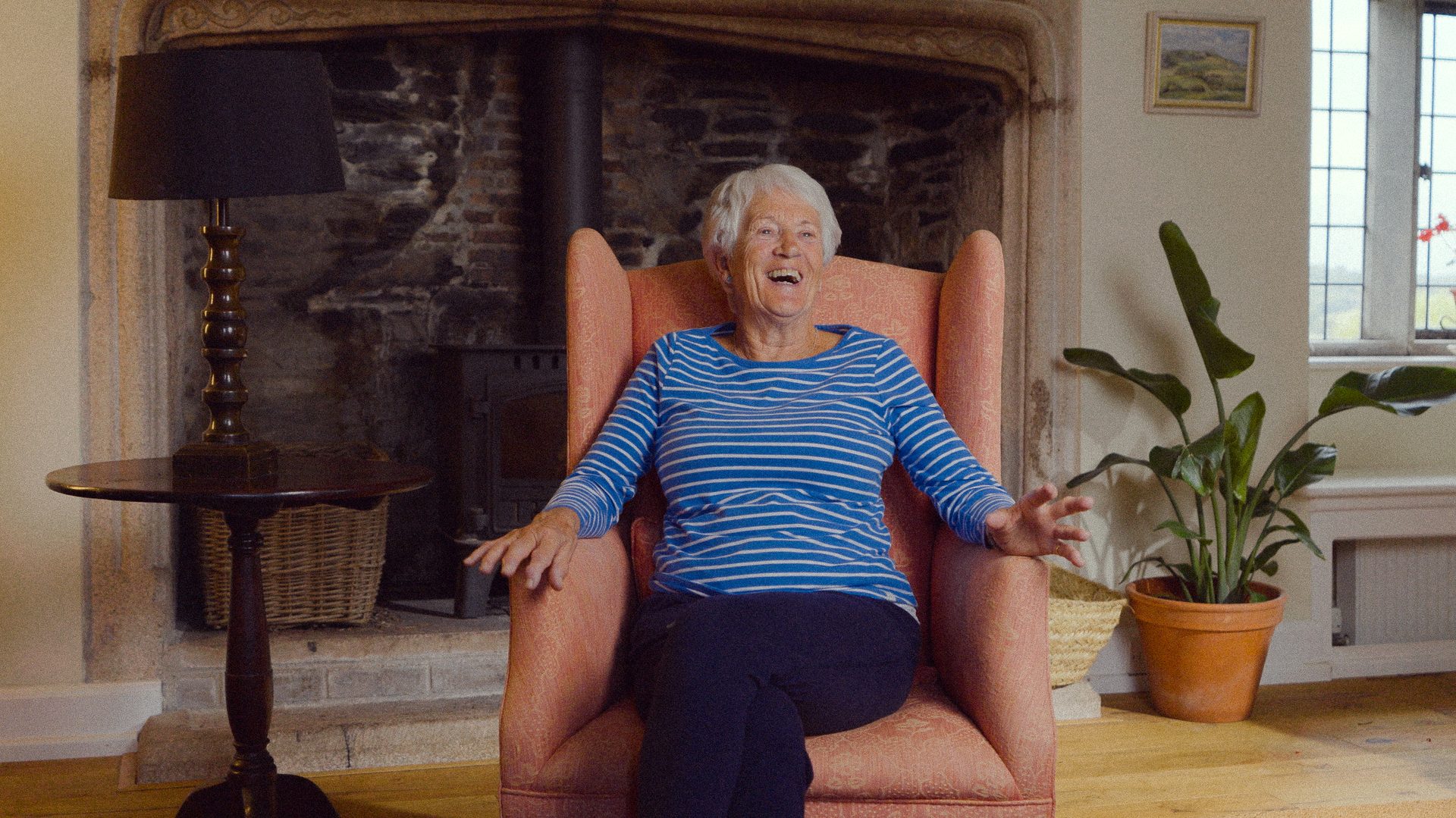
AI cannot convince a real customer to overcome their nerves, work around the engineering works that shut the train line, take a taxi to the studio, sit down in front of a lens and explain, unprompted, why they buy from you and what connection they have with your company. That someone chose to do all of that is itself part of the message.
AI can fake almost anything, more and more convincingly. What it cannot fabricate is lived experience and real life.
Making Something For Real Earns Your Customers’ Trust
Strip everything else away and that is the difference. When a film is built from events that genuinely happened, filmed with real people who chose to take part, your customers can believe what they are watching, and believe, by extension, in the company behind it. Trust is not a quality of the film; it is something the film fosters and earns in the people who watch it. As generated content gets cheaper and more convincing, that trust stops being a nice-to-have and becomes the whole point. It is the one thing a brand cannot prompt its way to, and the one thing worth the cost of doing properly.
Stories Worth Filming Properly
The Founder’s Truth
The story behind the business, told by the people who actually lived it, with the parts a polished brand film usually leaves out.
- The journey in the words of the people who took it
- The setbacks, not just the highlight reel
- The values that drive real decisions, shown rather than stated
The Customer’s Truth
Real customers, on camera by choice, saying why they stay. The kind of endorsement an audience can tell hasn’t been written for them.
- Real people who turned up despite the hassle of getting there
- Unscripted reasons behind the loyalty
- A connection the viewer can verify is genuine
Branded Documentary Becomes More Valuable, Not Less
As feeds fill up with synthetic, frictionless, slightly-too-perfect content, audiences are getting quicker at discounting it. The novelty fades. Bold claims that once landed now read as one more thing that might simply have been generated.
Branded documentary runs the other way. It is longer-form, character-led filmmaking built around real people and real processes, and its whole value rests on the fact that it could not have been faked. It trades on access, on time spent, and on things that genuinely happened in front of a camera.
For marketing and brand awareness, that is a widening advantage. A documentary-style brand story holds attention for longer than a promotional clip, builds recall and trust in a way short promotional content struggles to match, and increasingly carries a signal a generated video cannot: this is real, and here is the proof.
How We Make It
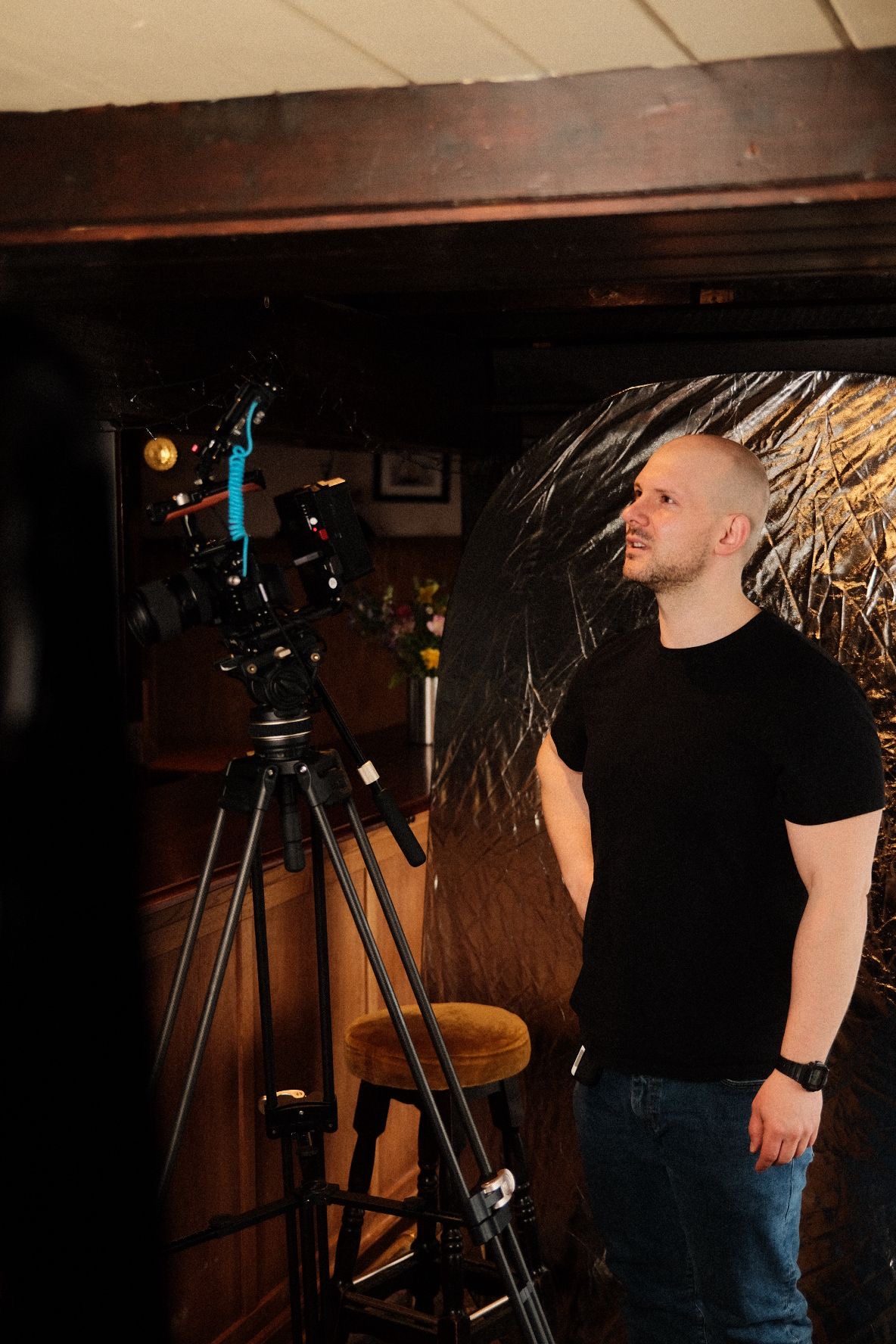
We spend time with the people and the process before filming starts, then shoot in a lighter, observational way that lets a real story unfold rather than staging one. The camera is there to witness, not to direct. Documentary photography (portraits, behind-the-scenes, environmental shots) usually comes from the same access.
What You’re Left With
A film an audience can trust, footage that is unmistakably yours, and a brand story with a provenance no generated video can claim. It holds up over time, because it was true when you made it, and that is getting harder for anything else to say.
Ready To Tell Your Brand’s Story?
Tell us about your project and we’ll come back to you quickly. No obligation, just a conversation about what you’re trying to achieve.